








Executive coach training

You’ve led through complex change. Now learn to coach others through it.

Turn your executive experience into the skills and judgment needed to help leaders find clarity in uncertainty.

  • 12 or 24-week programs12/24-week programs
  • Cohorts of 6–8 C-level peersCohorts of 6–8
  • Live online
Test my coaching instinct

6 scenes · 2 minutes

ICF Level 1 Accredited Coaching EducationICF Professional Coaches memberInternational Coaching FederationICF-accredited education provider
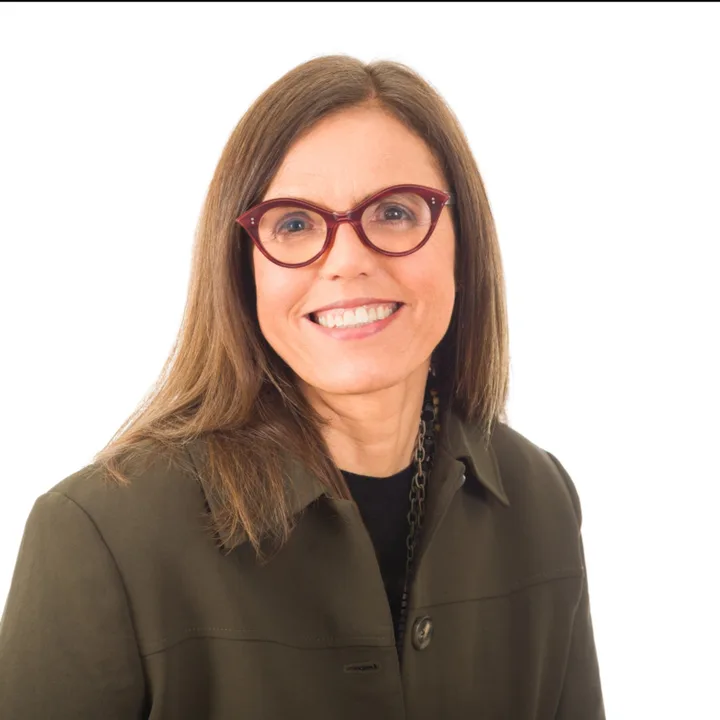
Fabiana Pereira Hotz, founder and lead faculty of Claristrat Institute
Fabiana Pereira Hotz, PCCFounder and lead

Leaders have come to us from

  • Accenture
  • WPP
  • IBM
  • Ogilvy
  • SAP
  • Odgers Berndtson
  • Special Olympics
  • Sobeys
  • Deloitte
  • Yamaha Motors
  • Brown University
  • TD Bank

The challenge

What made you effective gets in the way of coaching

Conventional leadership support stops working at the highest levels of complexity. Productivity frameworks and technical upskilling stay on the surface of what senior leaders face.

What made you effective in the C-suite will not automatically equip you for your next phase as a board member, founder or advisor. Nor for developing the executives you lead today.

Real development happens below the level of advice, in how a leader thinks, reacts and decides under pressure. Claristrat trains you to work there, and to become a node of clarity in a complex system.

We do it with the Claristrat Method™, which integrates complexity theory, adult development, depth psychology and neuroscience into one way of coaching.

Faculty

Your faculty have been where you are

Six faculty teach the program, all of them former executives. Our founder leads every cohort.

Fabiana Pereira Hotz

Fabiana Pereira HotzFounder and lead faculty

  • 25 years leading transformation at Accenture, Deloitte and scale-ups
  • $200M+ in programs led across five industries

The Claristrat Method™

Learn to see the pattern, hold the pressure, and time the question

Four bodies of research, turned into three capabilities you practice every week until they hold under pressure.

Identify hidden dynamics

See the unseen patterns shaping your leadership and the organization around you.

Guide others through uncertainty

Build the judgment to know when to pause, when to question, and when to act.

Coach with grounded presence

Stay steady when the pressure rises. Bring calm, attentive authority to every conversation.

Format

A cohort of senior peers, on a schedule built around your role

You cannot take someone further than you have gone yourself. You learn directly from, and practice with, a curated cohort of 6–8 senior executives who understand the pressures of your environment.

Two live sessions a week, about five hours of class. Cohorts start through the year on different days and at different hours, for Europe, the Americas and Asia-Pacific.

Alumni

Join senior executives who expanded how they lead

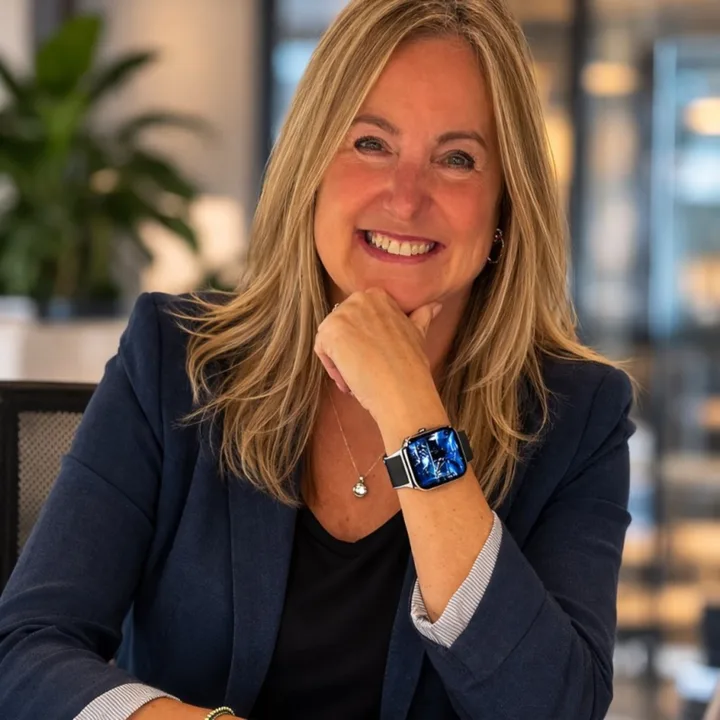
Arthur Fleischmann portrait

Even if you don’t want to be a coach, if you manage people, lead organizations, boards or teams, these skills are invaluable.

Arthur FleischmannFormer Group CEO, john st. & Ogilvy Canada · Country Lead, WPP Canada · CEO, Sense.Maker
LinkedIn profile (opens in a new tab)
Debbie Carkner portrait

This program will change how you relate and see yourself, for the better, in your career as well as your personal life.

Debbie CarknerFormer Managing Director, Accenture · Entrepreneur and Advisor
LinkedIn profile (opens in a new tab)
Esther Benzie portrait

The program was incredible and I would recommend it to anyone who wants to advance their coaching skills. Fabiana is an outstanding leader and coach.

Esther BenzieCEO, Canadian Marketing Association · Brand and Advertiser Executive · Board Director
LinkedIn profile (opens in a new tab)

Accreditation

Train toward the credential boards and clients look for

The International Coaching Federation is the global standard for professional coaching. Its credential is what corporate sponsors, boards and clients look for when they hire a coach.

Claristrat is an ICF-accredited education provider, and your training hours count toward that credential.

Before you decide

FAQ

Is this for me if I never want to be a full-time coach?

Yes. Many participants stay in role and use the method with their own teams, boards and successors; others build a practice, and some do both. The training is the same either way, and the certificate and the ICF pathway are yours whether or not you ever charge for a session.

How much time does this take each week?

The ACC program, 12 weeks long, takes five to nine hours a week, depending on your pace. The PCC program, 24 weeks long, ranges from four to seven hours a week. That includes live classes, practice, mentoring, and work you do on your own.

My background is senior, but is it senior enough?

The application asks for your most senior role and the largest team you have led. C-suite leaders, founders and vice presidents qualify directly. Directors and other senior roles are read by hand, and the next step is a conversation with faculty about fit rather than a form. Nobody is turned down by an algorithm.

What does the ICF credential actually get me?

The ICF, the International Coaching Federation, is the credential executives and procurement teams recognise when they hire a coach. Claristrat is an ICF-accredited education provider, so the training, mentor coaching and assessment you complete here count toward the ACC credential, and the Advanced Certificate continues on the PCC pathway. You also leave with the Claristrat certificate itself, which documents your hours.

Can I start in a later month?

Yes. Cohorts start throughout the year, and you choose the start date when you apply. Cohorts run with a minimum group size. If a start date does not reach it, we will offer you the next available start or a full refund.

Still have a question?

You know how to lead. We’ll teach you how to coach.

At Claristrat, you’ll learn to help another leader make a difficult decision without giving them the answer. Use that training in your current role, board mandates, fractional advisory or your own coaching practice.